Chemicals and water treatment
Salt water chlorinator.
A salt chlorinator makes chlorine from salt dissolved in the water, so there are no canisters and no manual dosing — for private pools up to about 100 m³ this is what we recommend. We offer AstralPool Smart Next and E-Next, Zodiac eXO iQ and Sugar Valley Hidrolife SAL, replacement cells, pH and Rx sensors and grounding anodes.
Salt electrolysis
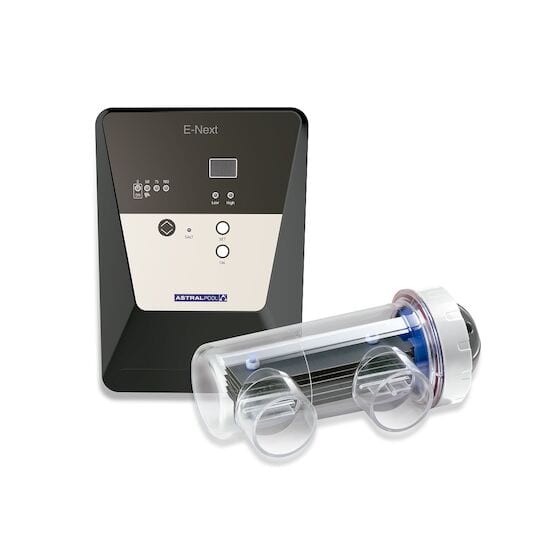
AstralPool E-Next salt chlorinator 12 g/h, up to 50 m³
4 variants
Salt electrolysis
Astralpool E-Next pH salt chlorinator 12 g/h
4 variants

Salt electrolysis
Astralpool Smart Next pH salt chlorinator 12 g/h
4 variants
Salt electrolysis
Astralpool Smart Next pH/Rx salt chlorinator 12 g/h
4 variants
Salt electrolysis
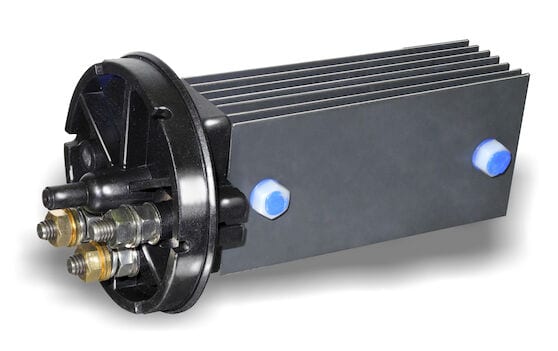
Astralpool Smart Next/E-Next 12 electrode/cell
4 variants
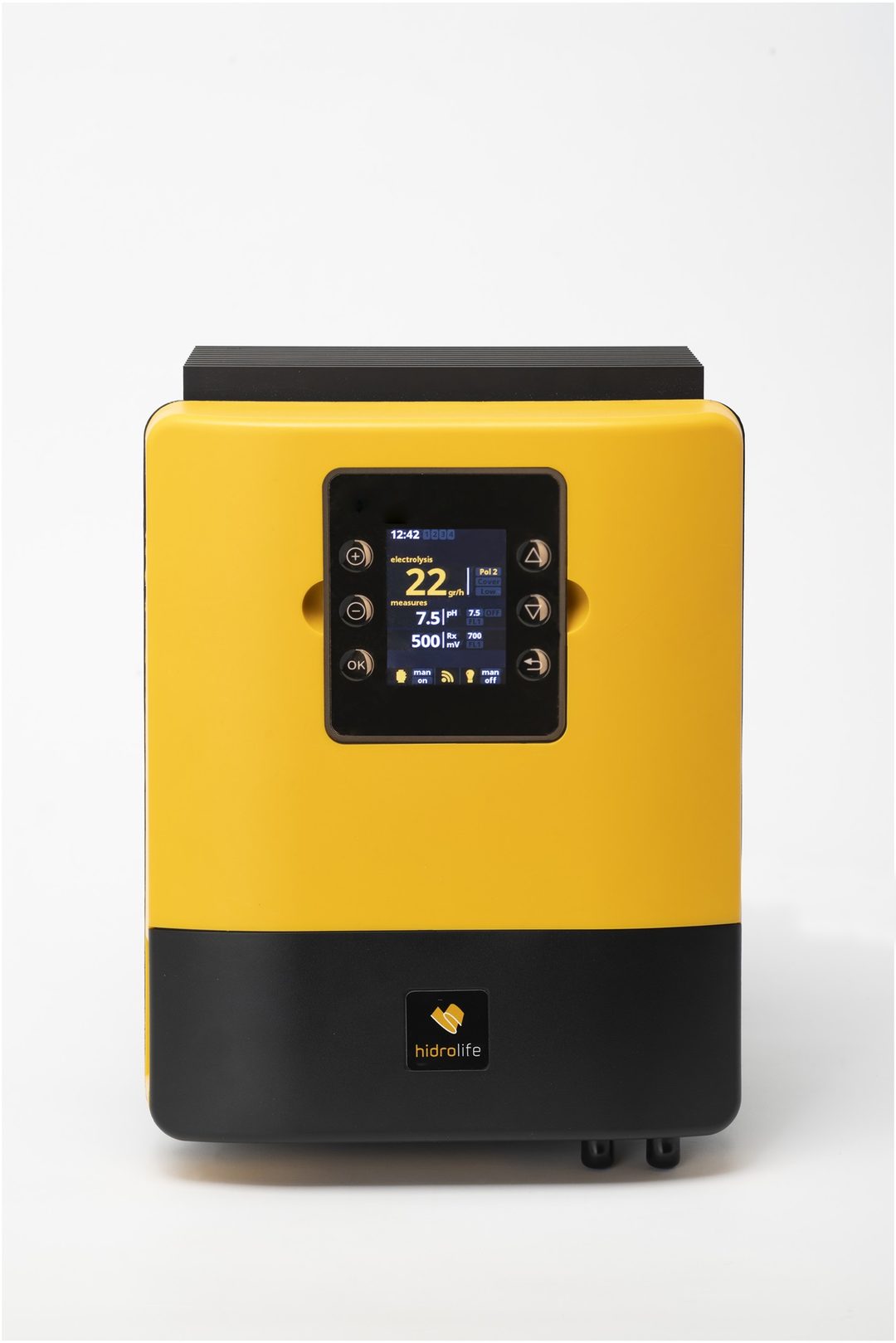
Salt electrolysis
Hidrolife SAL16 salt chlorinator for pools up to 65 m³
3 variants
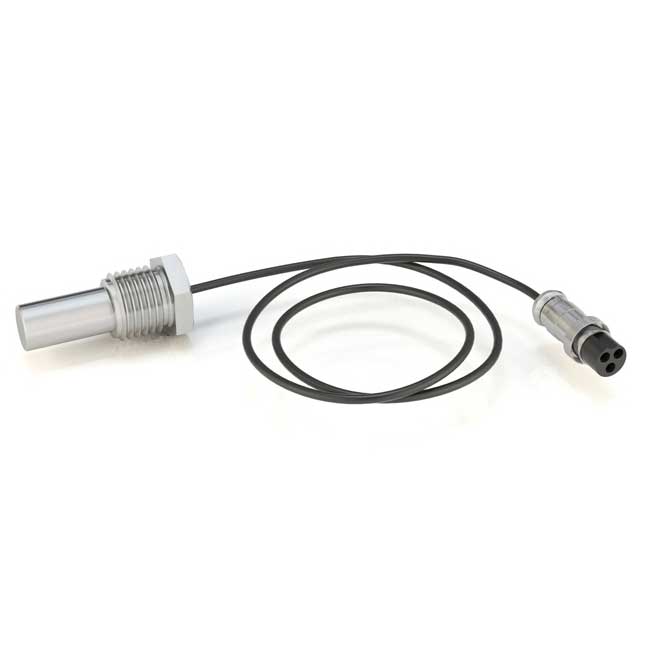


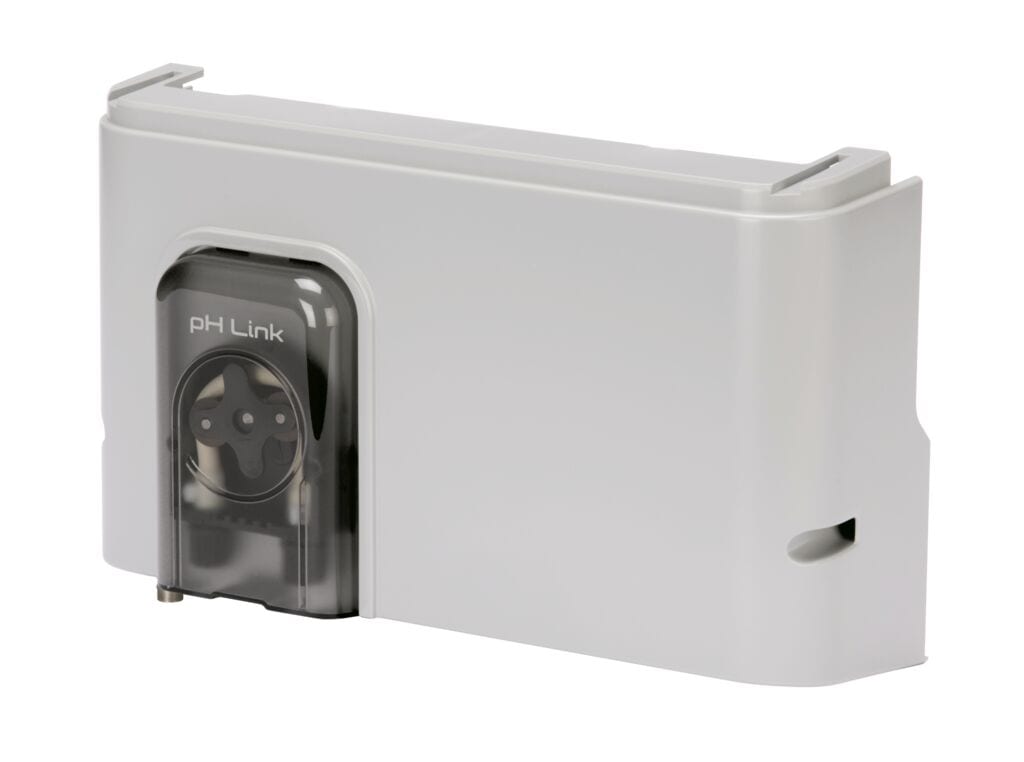
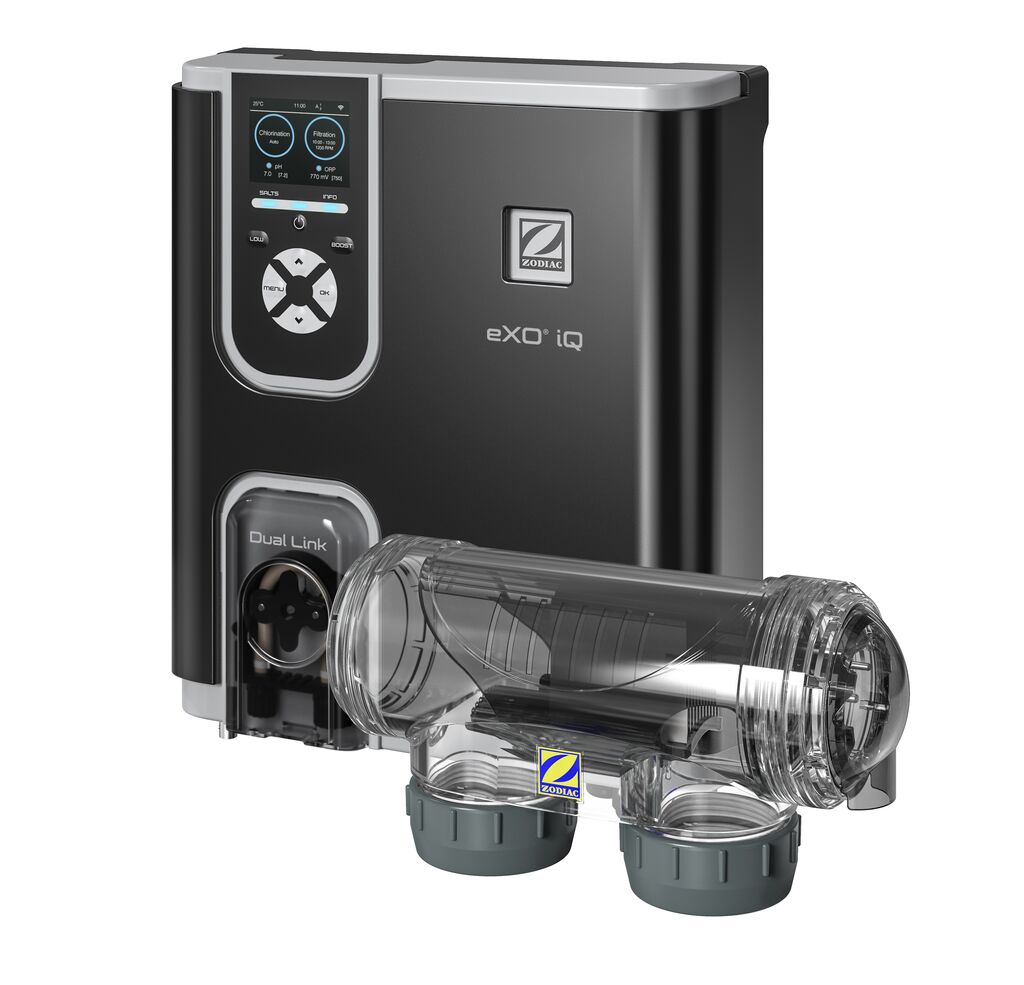
Salt electrolysis
Zodiac eXO iQ 10 R salt chlorinator
4 variants
How to choose
Salt water chlorinator: what to check before you buy.
For private pools up to about 100 m³ we recommend salt electrolysis: chlorine is produced from the salt in the water, with no canisters or manual dosing. Above that we install automatic dosing for liquid chlorine and pH.
pH between 7.2 and 7.6 and free chlorine as recommended by the product manufacturer — measure with a test kit at least once a week, and more often in the season. Correct the pH first, because it determines how effective the chlorine is.
Advice
Salt water chlorinator: advice from our service team.
Pool systems and equipment: how to put together a plant room
The four essential parts of a plant room – pump, filter, multiport valve and disinfection – and what is added as needed.
How much does an 8×4 m pool cost? Prices by size (2026)
8x4 m pool price: concrete skimmer ≈€35,000 (excluding the concrete shell), overflow +30%. Table of prices, volumes and equipment for sizes 6×3 to 12×6, plus realistic maintenance costs.

Bio pools: how they function, what they cost and whether they work in Dalmatia
A chlorine-free pool with a regeneration zone of at least 50% of the surface – what the regulation (NN 59/2020) requires and whether it makes sense in the south.